
Suppose the ERP consultant who handles UAT sees developers repeatedly asking what a user did just before a problem appeared. She wants to reproduce the issue and document the conditions before handing it over. Her schedule is full. If the manager simply says yes, she may end up working late or leaving someone else to field the questions she used to handle.
What can employees change?
Amy Wrzesniewski and Jane Dutton called the ways people reshape the boundaries of their own jobs job crafting. Their 2001 paper proposes three forms. The effects on employees and the organization depend on the work, relationships, and room people have to make changes. Wrzesniewski and Dutton (2001)
- Task crafting. The consultant adds a step to reproduce recurring issues and includes a short account that lets developers start investigating.
- Relational crafting. Once a week, she brings a developer and a user representative together to look at cases they’ve interpreted differently. She sends the outcome to the people taking the work forward.
- Cognitive crafting. She comes to see issue intake as helping users and developers understand the same event. That changes what she asks about on the next case, even with the same ticket workflow.
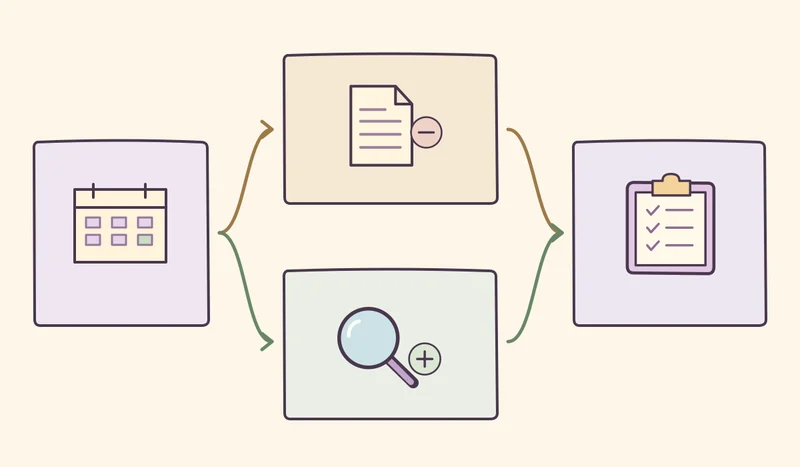
Set aside time and take something off the schedule
I’d ask her to propose a two-week trial to her manager and the people who receive the work. Pick one recurring UAT issue type, set aside two hours a week, and drop the duplicate status report whose data already lives in the system. If any work being removed still needs doing, agree who will take it, how much time they have, and what they’ll set aside. The manager remains responsible for staffing. Existing authority for delivery commitments and changes to customer data still applies.
Before starting, record the questions developers commonly have to ask again. During the trial, check whether tickets contain enough information to start investigating. Count tickets sent back for insufficient detail out of all tickets in scope, alongside the time the consultant spends. If handoffs improve while the user-support queue grows, reduce the number of cases or change when she sets aside the time. If the new responsibility becomes permanent, revisit her role, workload, and compensation.