
Before an ERP go-live, the delivery team wants to keep the date, while accounting hasn’t verified the inventory balances. If a lead says, “Accounting is holding us back,” the discussion can turn into an argument over motives. The decision depends on which balances still lack evidence and what that means for go-live.
Google re:Work lists clarity about roles and goals, and seeing the impact of the work, among the dynamics associated with effectiveness in the teams it studied. I’d use those two ideas to bring both groups back to the outcome they’re responsible for delivering together. Google re:Work’s team effectiveness guide
Give feedback about something both people can check
Describe what happened, explain its effect, and make a request for next time. “Yesterday the warehouse balances arrived after the agreed cutoff, so we moved the joint reconciliation back a day. If the file will be late next time, could you let us know before the cutoff so the migration team can move its review?” Then ask whether the other person saw it differently or has more context. Discuss individual performance privately and put shared operating agreements where the team can see them.
When receiving feedback, try restating the request before explaining your side. “You’re asking me to flag a late file sooner. Is that right?” Then discuss what makes that hard and what behavior you’ll try next time. That gives both sides a chance to correct the facts or a misunderstanding before committing to additional work.
Turn disagreement into a decision the team can make
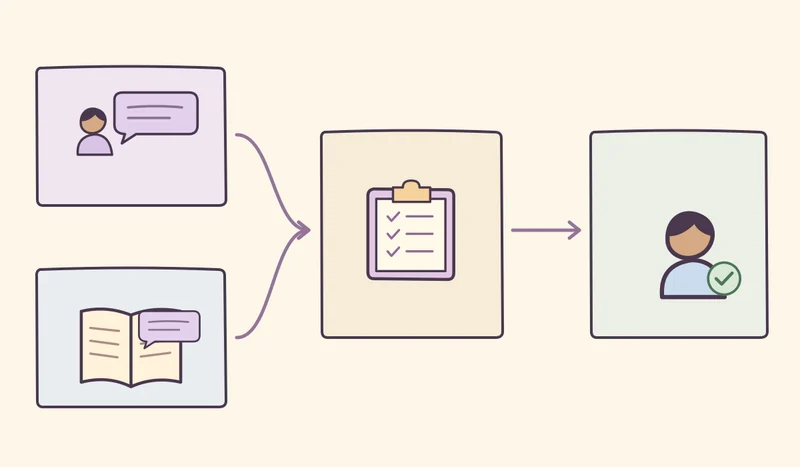
Return to the go-live decision. Both groups need the client to issue documents and run the warehouse using balances backed by evidence. Agree on criteria such as reconciling every warehouse in the initial release and obtaining sign-off from the client’s process owner. If one warehouse isn’t ready, check whether a phased release is feasible under the contract and in the system. Let delivery and accounting present their evidence before the authorized decision-maker chooses a path.
If people still disagree at the cutoff, record the decision, the reasoning, the remaining risk, and what would reopen the discussion. Those who disagreed can keep monitoring the evidence under the agreed conditions, and the decision-maker knows when new information calls for another look.
In the next meeting, pick one disagreement and ask, What outcome is each side trying to protect, and what evidence would change the decision? Afterward, check that the people carrying out the decision can explain its reasoning and criteria consistently.